
Every conversation about why Nigerian airlines can’t get capital eventually arrives at the same alibi: foreign exchange.
The naira is volatile, dollars are scarce, and lessors are nervous. It’s a convenient story, because it points outward at the Central Bank, at the macroeconomy, at forces no single airline controls. It is also mostly wrong.
Aviation is a global business. Every airline on earth prices fuel in dollars, leases aircraft in dollars, and manages currency risk as a routine cost of doing business — it is not a Nigerian invention, and it is not what keeps global lessors away from Nigerian carriers. What keeps them away is that they cannot see who controls the company, cannot verify what it owes, and cannot trust the board to tell them if something goes wrong. FX is a manageable risk. What Nigerian aviation has built is a structure no serious capital wants to touch.
Start with ownership.
More than ten airlines compete for a domestic market that barely grew 4 percent last year, and almost none of them have opened their capital to outside owners.
That is not an accident of the market, it is a choice. Debt lets an owner keep 100 percent of the company while someone else takes the balance-sheet risk. Equity means giving up control.
Faced with that choice, Nigerian airline owners have overwhelmingly chosen the loan, then chosen another loan to service the first one, and called the result resilience.
And the excuse that Nigerian capital doesn’t do equity at scale has just been retired in public.
Dangote’s ₦2.15 trillion refinery offer, Africa’s largest IPO, priced at ₦525 a share and opening this month, is proof that Nigerian owners will bring outside capital into a capital-intensive, strategically important business when the structure is credible and the governance is real.
Nobody is arguing that Dangote is dodging equity because Nigerians “don’t do” public markets. If a refinery can raise $1.6 billion this way, the claim that aviation can’t is not about Nigerian capital. It’s about what Nigerian aviation is asking outside capital to trust.
And that is the second, harder problem Governance. Walk into most Nigerian airlines and you will not find an independent board in any meaningful sense. You will find a founder, a family, or a small circle who sit as owner, chairman, and de facto chief executive simultaneously, with a management team that reports to them rather than to any structure that could tell them no. There is no separation between the person who owns the airline and the person who runs it, and no one in between with the standing or the incentive to insist on an audited balance sheet the market can rely on.
Buried inside that is a quieter, more specific belief that deserves to be said out loud: the assumption that “a pilot is automatically the right person to run the business side of an airline”. Flying an aircraft and running a company are different disciplines and conflating them has put people in charge of procurement, finance, and fleet strategy who were trained for none of it. This is not true everywhere; several Nigerian carriers are professionally run, but aviation has a reputational physics problem: a governance failure at one airline reads, fairly or not, as a verdict on “Nigerian airlines” collectively. The worst-run carrier sets the risk premium every other carrier pays.
The result is what you’d expect. Airlines pay some of the most exorbitant fuel and handling costs on the continent, and instead of restructuring around it, they borrow to keep flying through it, surviving on debt rather than confronting the cost base, and doing it all behind balance sheets that are not transparent even to their own boards, let alone to a lessor in Dublin or a bank in London. That is the actual credit story: not “Nigeria is risky,” but “we cannot verify what this company owes or who is accountable for it. ” No FX hedge fixes that. No CBN desk fixes that. No amount of continental financing fixes that, because none of it is designed to.
Which is also why the periodic calls for a dedicated “aviation bank”* miss the point entirely. A new lender does not change who is borrowing.
The same airlines, with the same instinct to protect control over transparency, the same fused owner-manager structure, and the same habit of borrowing rather than restructuring, would walk into that bank exactly as they walk into every other one — and walk out with the same unverifiable balance sheet. Give the borrower a new lender and the borrower’s habits come with them. Money is simply not the problem. Nigerian aviation is not short of capital sources; it is short of institutions capable of receiving capital responsibly, and no amount of new money changes that until the receiving end does.
The uncomfortable implication is that the fix is not more money. It’s fewer owners insisting on keeping 100 percent of a company they cannot finance responsibly, more boards that exist to say no, more balance sheets built to survive an audit rather than avoid one, and a management culture that promotes competence over proximity to the cockpit. Everything else the funds, the leasing companies, the compacts is financing looking for a borrower it can trust. Right now, it can’t find one. That’s not the world’s fault. It’s ours to fix.
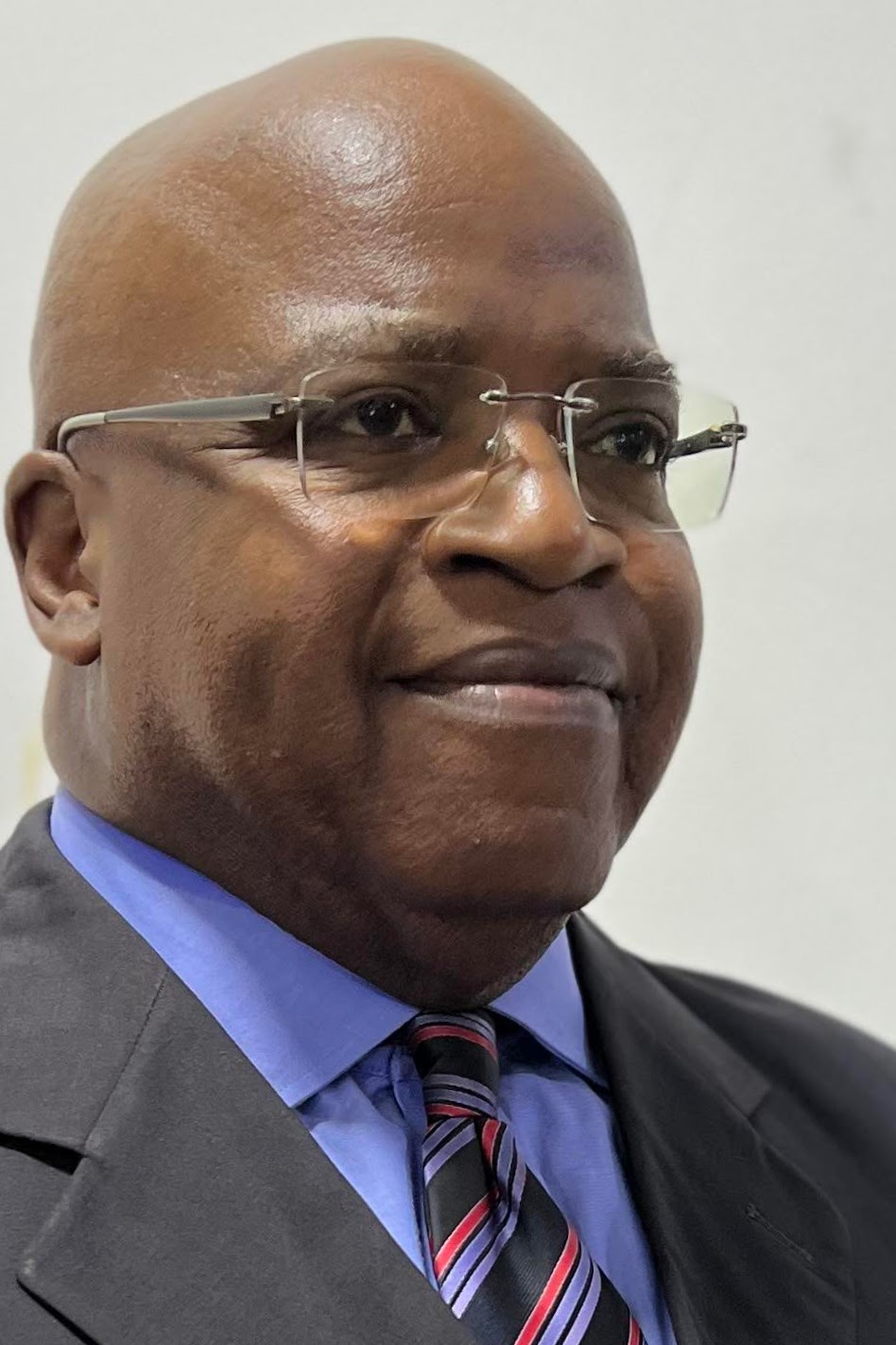
Nwuba C., FITPN, FIMCN, FIPMAN is the 2nd Vice President at the Aviation Roundtable Initiative. He writes from Accra, Ghana