
Despite appreciating the humongous losses airline operators incurred, about ₦3.6bn per aircraft annually as a result of aircraft underutilization among other obstacles encountered daily in their operating environment, there are indicators that the carriers can safely navigate out of their present turbulent weather conditions and become profitable.
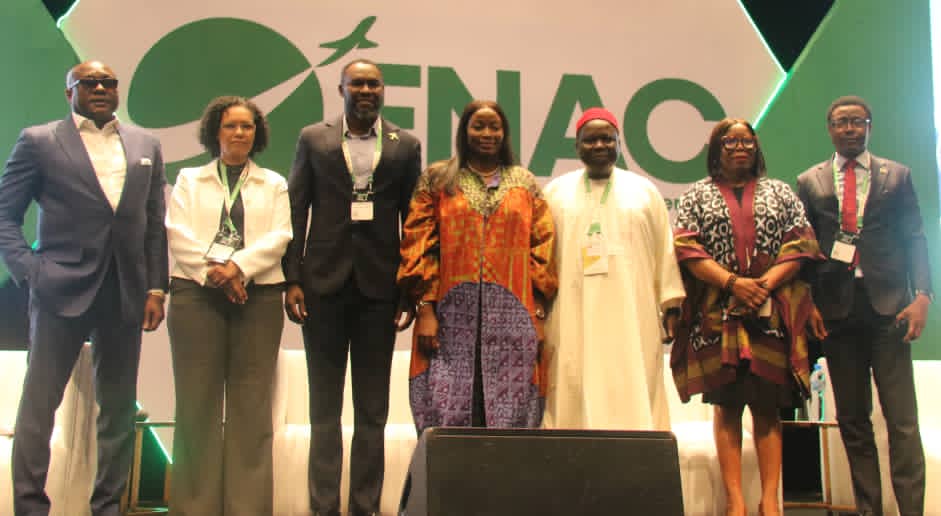
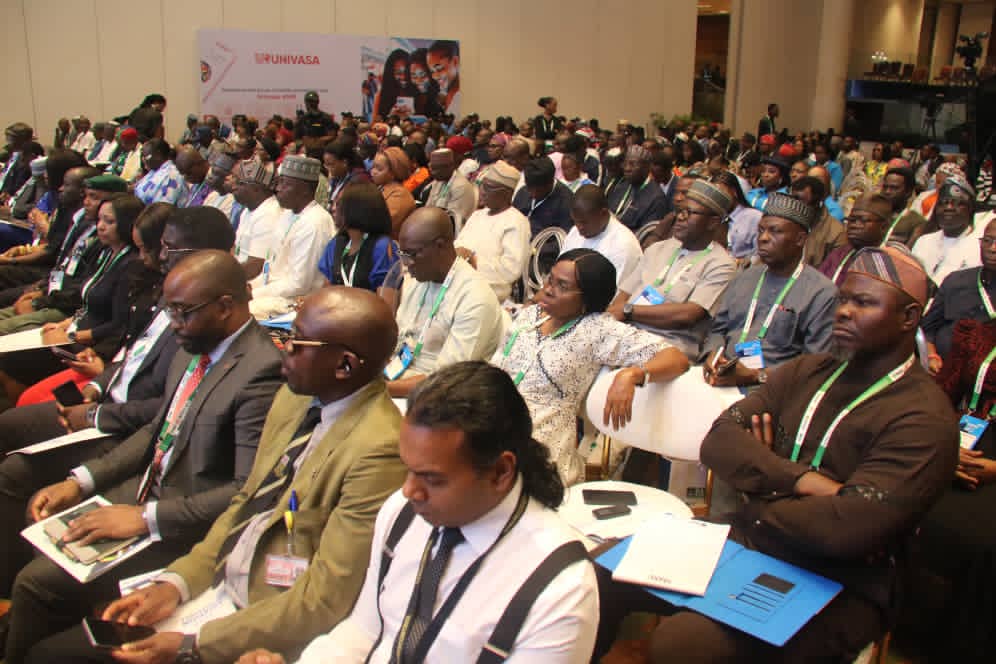
This assurance was given by the Chief Executive Officer of Ibom Air, Mr. George Uriesi at the just concluded 2025 FAAN National Aviation Conference (FNAC 25), held at the Eko Hotel and Suites, Lagos.
Delivering his paper titled:Airline Profitability and Cost Optimization,” at the Day 2 conference, themed: Elevating the Nigerian Aviation Industry through Investment, Partnerships and Global Engagements, he outlined some of the major obstacles that have not made operations of scheduled commercial airlines less profitable in Nigeria.
Concluding his presentation at FNAC 25, Uriesi affirmed that airline are still making profits and breaking even and can do more if some of the understated factors are given deserved attention by the stakeholders.
Using his airline, Ibom Air as a case study, Chief Executive Officer affirmed that the airline has maintained an 88 per cent compounded annual growth rate in revenue since 2019 and remained profitable despite overwhelming in clementine operating environment.
“We still made profit in 2024 and I believe we will again in 2025. But imagine what we could do without these burdens,” he said.
For airlines to be able to navigate to profitability in the present operating environment, Uriesi therefore called for reforms in financing, maintenance, taxes, and scale
According to him the issue of aircraft financing, which he called the biggest devourer of airlines’ profits.
He also called for domestic aircraft maintenance capability, to end the dependence on costly foreign Maintenance Repair Overhaul (MRO) facilities.
another factor identified by the Ibom Air boss for profitable airline operation in nigeria is that there should be reduced regulatory fees and charges, which “take a huge toll” on operational viability.
He also noted that lower regional charges, which make flying in Africa for the most elitist cadre
He however appealed to airlines to work towards consolidation and growth, with the warning that small airlines of 3–5 aircraft will not survive.”
“Being small is the most dangerous thing an airline can be,” he stressed. “You need 10, 15, 20 aircraft to have a chance at sustainable profitability.” he advised.
Earlier in his presentation, the Ibom Air CEO had drawn attention to the urgent need for policy intervention, industry collaboration, and targeted reforms to secure the future of Nigeria’s aviation sector.
Specifically, he hit on the huge financial pressures facing Nigerian carriers and the structural reforms urgently needed to sustain the sector.
Uriesi noted the high-cost aircraft financing, heavy dollar-denominated expenses, underdeveloped infrastructure, and escalating taxes and charges as other severe draing to airline profitability in Nigeria.
Relating what is obtained in Nigerian airline environment with what obtained in other markets around the global markets, he said while European carriers can secure aircraft financing at 3–4 percent interest over 15 years, Nigerian operators often pay around 30 percent interest for a maximum of seven years.
“The same Airbus A220 my colleague in Europe pays $100 monthly for, I am paying $500,” Uriesi said,
He also shed light on excruciating forex disparity, infrastructure challenges saying, Nigerian airlines earn in naira but do their major procurements in dollars.
On insurance premiums, he lamented that nigerian airlines pay double what their European counterparts pay, even on same type of aircraft and similar operational risks.