
It has been estimated that N17.4 billion (over $12.1m) was injected into the Cross River State economy within the various performance sectors in the just concluded Calabar Festivals and Carnivals.
The events which continues to serve as a critical economic driver for the State, stimulating investment, job creation, cultural preservation, and global visibility, enjoyed sustained government support, strategic private-sector partnerships, and continuous improvement in infrastructure and service delivery.

Organisers said the Calabar Festivals and Carnivals is well-positioned for even greater impact in subsequent years.
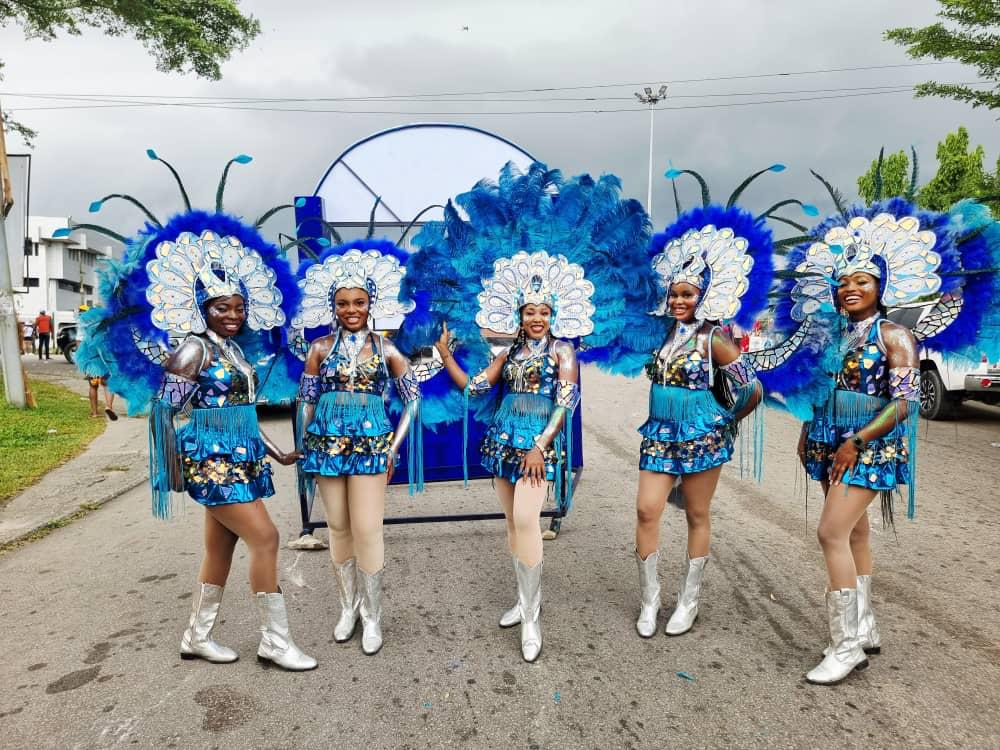
Celebrating its 20th anniversary in 2025, with the theme: “Traces of Times”, the African largest street carnival has become a vibrant symbol of cultural heritage and tourism in Nigeria.
Over the years, it has evolved from a local celebration into a grand international event, drawing visitors from around the globe. With its colourful parades, rich cultural displays, and the spirit of unity, the festivals and carnivals continue to showcase the essence of Calabar’s heritage. It’s a testament to the region’s growth and the power of cultural celebration!
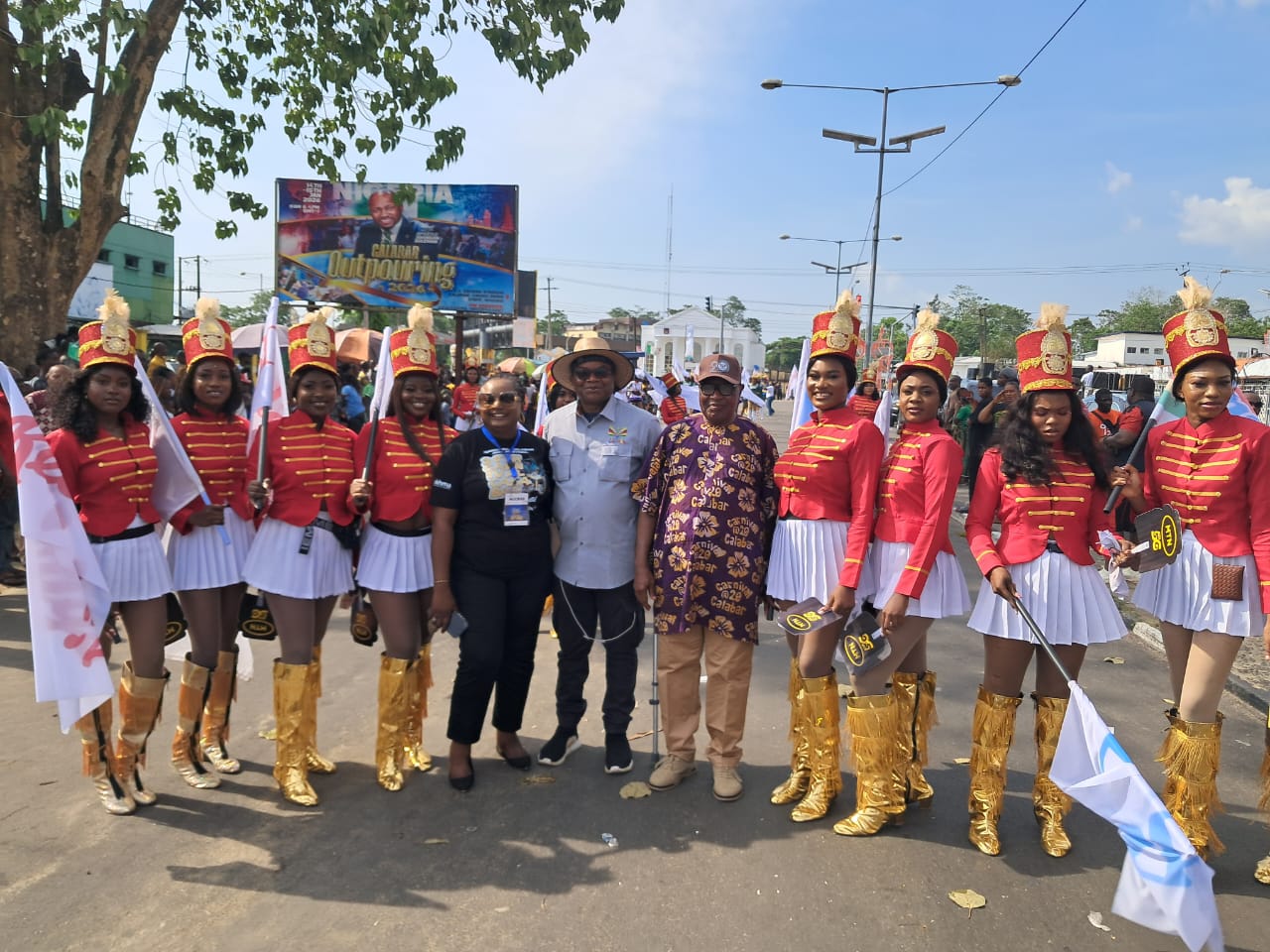
What was once a simple holiday season has evolved into a full-blown cultural spectacle that not only boosts the local economy but has also enhanced Nigeria’s destination brand in the global tourism marketplace.
Accommodation, food and beverage, and transportation services benefit immensely from the influx of visitors. Platforms like Airbnb and local booking services report increased demand for accommodation, with prices often tripling in December. Luxury venues, lounges, and clubs experience packed schedules, with some requiring advance bookings for entry during major events.
Fashion and retail sectors also thrive during this season. Nigerians are renowned for their fashion sense, and the Calabar Festivals and Carnivals present an opportunity for local designers to showcase their collections, as seen in events like the African Fashion fiesta event.
Restaurants and street food vendors experience a boom in business as tourists seek to indulge in Calabar’s rich culinary offerings, from ekpang nkwukwo to afang and edikaikong soups..
The event lasted for 32 days, featuring a wide range of activities. Some of the notable activities included the Christmas Tree Lighting, Carnival Calabar Dry Run, Calabar Food Festival, Carnival Calabar Parade of the Bands, the Bikers Carnival, the Children’s Carnival and the Cultural Carnival. The festivals featured a range of activities, including music performances, cultural dances, fashion shows, and sports competitions.
Visitor Influx and Transportation
Between November 2025 and January 2026, Calabar International Airport recorded over 12,000 inbound passengers, representing a significant increase from the 2024 figures. Approximately 81 percent of inbound passengers originated from other Nigerian states, while 4 percent were from the diaspora, primarily visiting for leisure and participation in Carnival Calabar activities. Overall visitor influx into Calabar in December 2025 was estimated at over 248,000 visitors, distributed across the following modes of transportation: Road : 87 percent; Air: 9 percent and Sea 4 percent.
Visitor expenditure on transportation alone was estimated at N10.6 billion, reflecting increased mobility, higher travel costs, and expanded participation compared to previous years.
Visitor inflow for the 2025 festival exceeded 2024 figures by an estimated 24 percent confirming sustained growth in demand for the Calabar Festival experience.
Major visitor origin locations included Akwa Ibom State, Lagos State, Abuja (FCT), Rivers State, Abia State, Enugu State, as well as international visitors from Cameroon, the United Kingdom, Canada, Equatorial Guinea, and the United States.
Tourism and attraction site performance
During the review period (November–December 2025), Calabar recorded over 370,000 tourists visiting major attraction sites such as:
Obudu Mountain Resort (OMR), Marina Resort and Kwa Falls
This marked a continued rise from the 2024 figures and represented nearly 80 percent growth compared to 2023 tourism site visitation, driven largely by improved destination awareness, festival publicity, and domestic travel recovery.
Accomodation and hospitality performance
Accommodation establishments in Calabar recorded high occupancy throughout the festival period:
• Average hotel occupancy rate: 72 percent (up from 68 percent in 2024)
• Peak occupancy: Over 95 percent between 16th and 30th December 2025
• Estimated hotel booking revenue: N3.9 billion
• Confirmed average nightly bookings: Over 26,000 room nights in December alone
Revenue from food, beverages, and breakfast services was estimated at N2.05 billion, reflecting increased visitor spending and longer average stays. The top-performing hotels included Hogis Hotels, Metropolitan Hotel, Monty Suites, UG Wils Hotel, Moju Hotel, Danic Hotel, Dallas Suites, and De Grand Hotel—collectively accounted for more than 56 percent of total accommodation revenue.
Entertainment and night Economy
In 2025, major ticketed events such as Funfest, Calabar Fashion Show, and Queen of Humanity generated an estimated N130 million. The nightlife and entertainment sector continued to thrive, with the five leading nightclubs—Roman, Zero Arena, Amber Lounge, Club Voltage, and Bays Bar—recording combined revenues estimated at N460 million during the festival period. Ancillary activities including online streaming services, food and drink vending, dance troupes, car rentals, logistics services, and creative merchandising generated an estimated N1.7 billion, reinforcing the festival’s role in supporting small and medium-scale enterprises.
Attendance and media reach
An estimated 780,000 on-site spectators attended the Cultural Carnival, Children’s Carnival, Bikers’ Carnival, and the main Carnival Calabar events—an increase from the 2024 attendance levels. Global visibility expanded significantly in 2025:
Over 1.3 billion viewers watched the festival via DSTV Channel 198 and partner television networks worldwide.
Live online streaming exceeded 120 million viewers across social media and digital platforms.
This extensive media reach strengthened Calabar’s international tourism brand and positioned the festivals as some of Africa’s most-watched cultural events.
Conclusion
The Calabar Festivals and Carnivals 2025 recorded measurable improvements across all key performance indicators—visitor numbers, tourism revenue, accommodation occupancy rates, media reach, and stakeholder participation.