
Director of Air Traffic Services,
Nigerian Airspace Management Agency (NAMA)
Adverse weather conditions when left absolute, pose serious threat to operations, safety, infrastructure in the aviation industry.
This was made known recently by the Managing Director /CE of Nigerian Airspace Management Agency (NAMA) Engr. Farouk Ahmed Umar (FNSE), in his speech to the maiden edition of stakeholders’ engagement forum organised by Nigerian Meteorological Agency (NiMet) at Admiralty Conference and Event Centre, Naval Dockyard Limited Victoria Island Lagos.
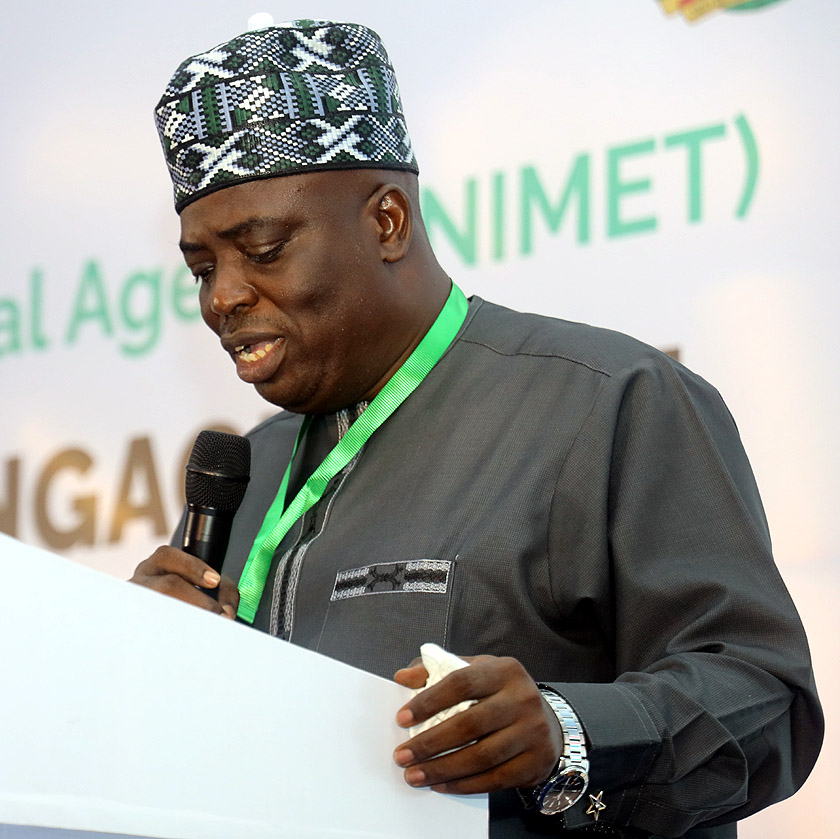
Umar who was represented by the NAMA, Director of Air Traffic Services, Tayo John, at the forum themed, “Early warnings: Raising Awareness on Climate Risk and Promoting Early Action” said climate change poses significant negative impacts on operations, safety and infrastructure in the aviation industry everyday.
Appreciating the timing of the forum which he noted,: “This forum is the right gathering to discuss and offer domesticated and tropicalized solutions to some of the challenges – observed in the Climate, either as a result of nature or some of our errors, action or inactions.”
He therefore identified areas of impact of adverse weather conditions in the aviation industry to include operations, safety and infrastructure.
According to him, “for us in the aviation industry, climate change poses significant effect in the following areas of our daily activities . “Operational Impact: Increased Turbulence: Changes in atmospheric conditions leading to more frequent and severe turbulence will lead to disrupted flight schedule: Extreme weather situation leads to flight delays and cancellations
“Route Changes: Rising temperatures and changing weather patterns often requires adjustments to flight routes.
Safety impacts, Umar argued that Climate-related factors like turbulence and extreme weather events increases the risk of incidents and/or accidents while heat-related issues affect aircraft performance just as it increases in Pilots and Air Traffic Control workload leading to stress and fatigue.
On the impact of adverse weather on Infrastructure, the NAMA Chief Executive noted that airport infrastructure damage resulting from rising water level and extreme weather (thunderstorm) at the aiairports. This, to him increases maintenance cost at airports due to damage resulting from extreme temperature or thunderstorm effects.
In conclusion, he urged participants at the conference to contribute constructively to the discussions towards achieving the intended goals of the forum.
He said, “As professionals in our various fields, we owe our community a responsibility to proffer workable solutions. to the climatic issues bedeviling our society, to prevent disasters on the ground or in the air.
“In conclusion, I humbly request that we contribute constructively and objectively to this forum, with a view to having a well-tailored resolutions that would move our nations forward.”